

Food carries memory. For many in the Latino diaspora, it’s a bridge to a historic home, carrying legacies across borders and generations.
This Hispanic Heritage Month, we asked members of the Ayuda team to share the dishes that ground them in their culture. Here are their families’ recipes, which we hope transport you from your home to kitchens and traditions across Latin and South America.
1. Arroz con Gandules
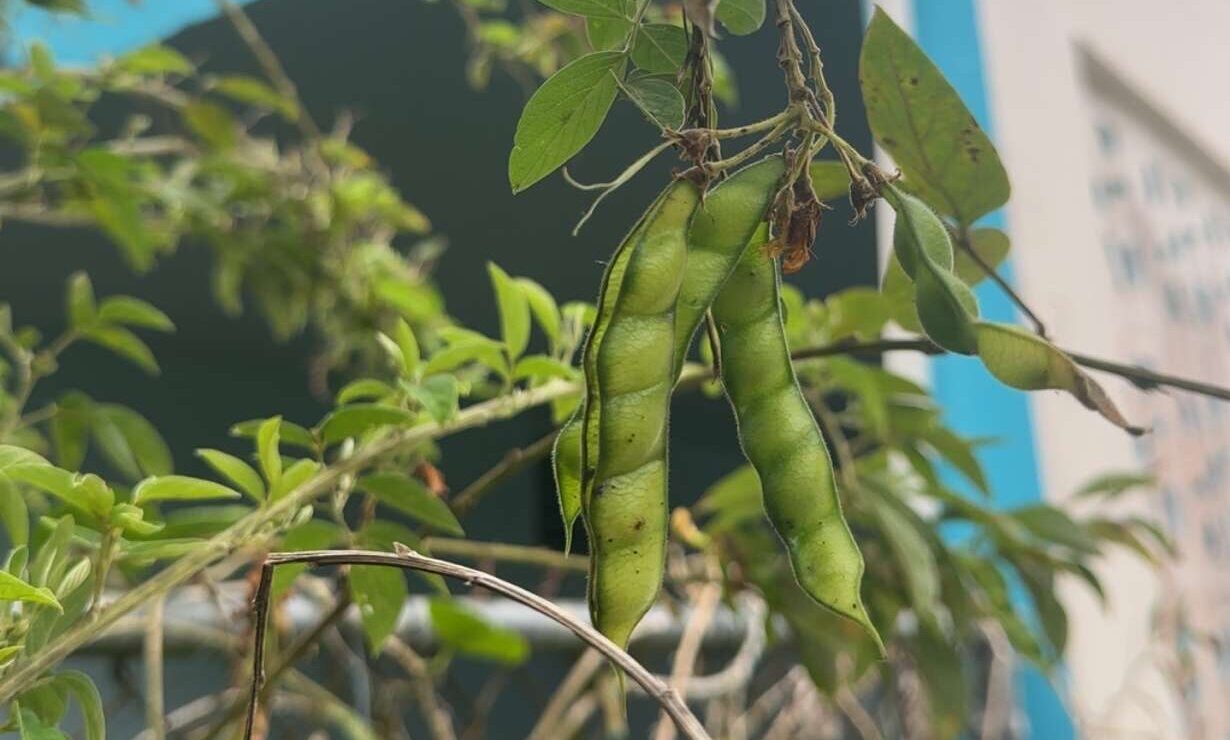
“The gandules growing from the earth in my grandparents’ yard signal a bold possibility — that Puerto Rico can sustain herself with the fruits of the land. For those of us living in the diaspora (“allá fuera” as the isleños lo llaman), arroz con gandules is more than a holiday dish it is a flavorful reminder for all of us Boricuas that the work and sacrifice of our grandparents is made with tremendous love and hope.”
Ingredients
- 2 cups medium-grain rice
- 1 can (15–16 oz) green pigeon peas (gandules), drained
- 2 cups water
- 3 tbsp sofrito
- 2 tbsp olive oil
- 3 cloves garlic, minced
- 2 packets sazón
- 3 dried bay leaves
- 1 tsp dried basil
- Salt to taste
Instructions
1. Heat the olive oil on medium heat. Add the minced garlic and sofrito, sautéing for 1–2 minutes until aromatic.
2. Stir in the gandules, sazón, bay leaves, basil, olives, and salt. Cook for 2 minutes to meld the flavors.
3. Add the rice and water, stirring gently to combine. Bring the mixture to an active boil over medium-high heat.
4. Once the surface liquid has mostly evaporated, simmer for 20–25 minutes until the rice is tender and fully cooked.
2. Canelones de Humita
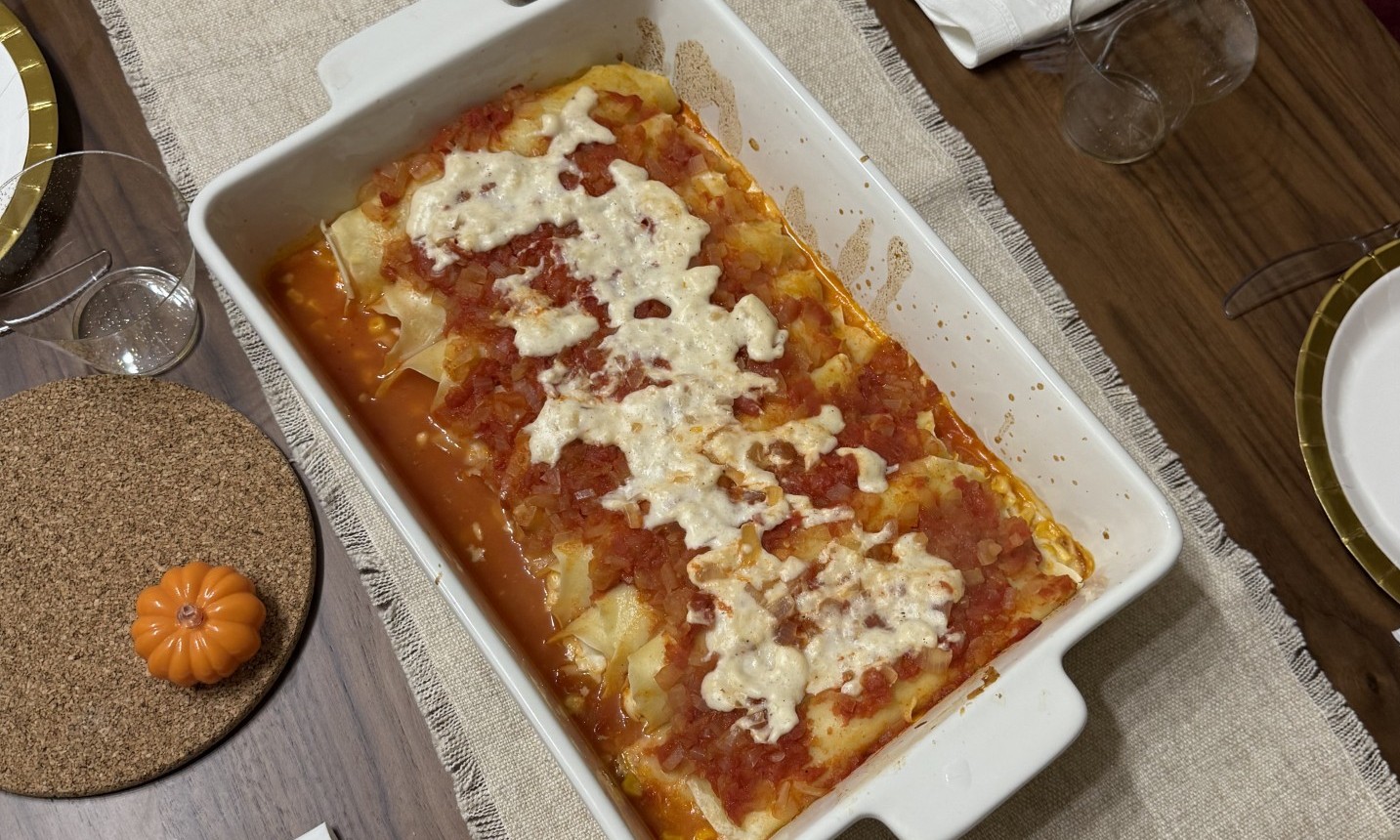
“My heritage is something I’m immensely proud of. I celebrate it by taking part in cultural holidays, speaking Spanish, cooking and sharing meals, and visiting family whenever I can. Canelones de humita are a labor of love, but the comfort they bring makes every step worth it. This recipe is very close to my heart because it was what my dad always asked my grandma to make when he visited her in Argentina.”
Ingredients
Crepes (Panqueques):
- 2 cups all-purpose flour
- ½ liter (about 2 cups) whole milk
- 1 large egg
- Pinch of salt
- Butter or oil for the pan
Corn Filling (Humita):
- 2 cans (15 oz each) sweet corn, drained
- 2 tbsp unsalted butter
- 2 tbsp all-purpose flour
- ½ liter (about 2 cups) warm milk
- Salt and freshly ground black pepper, to taste
Red Sauce & Topping:
- 1 yellow onion, finely diced
- 1 clove garlic, minced
- 1 can (14.5 oz) diced tomatoes
- ½ cup chicken stock
- 2 dried bay leaves
- Salt and black pepper, to taste
- Grated Parmesan cheese, for topping
Instructions
1. Make the Crepes: Put the flour in a bowl and make a well in the center. Add the milk, egg, and salt, and slowly start to mix the liquids. The flour should naturally start to incorporate into the mixture because of the well. Once your mix is thoroughly combined, cook the crepes. You should use just enough batter to coat the pan and cook on low.
2. Make the filling: Melt the butter in a pan on low and once melted, add the flour to create a roux. Let that get to a sandy color and start to slowly add the milk in stages. The goal is to create a pretty thick bechamel sauce, so add a little milk and incorporate into the roux, then add more milk once all the previous milk has been absorbed. Once you’re happy with the consistency of the bechamel, add in the salt and pepper, fully incorporate, then add the corn.
3. Make the red sauce: Sauté onion and garlic in a pot until onions are translucent and fragrant. Add in the can of tomatoes, chicken stock, bay leaves and seasoning. Let cook and reduce until you’re happy with the consistency
4. Assemble: Grab a crepe, spread some filling on top. Roll into cylinder shapes and place into a casserole dish. Fill casserole dish with stuffed crepes. Top with the tomato sauce and leftover bechamel. Sprinkle with parmesan, serve and enjoy!
3. Pazole
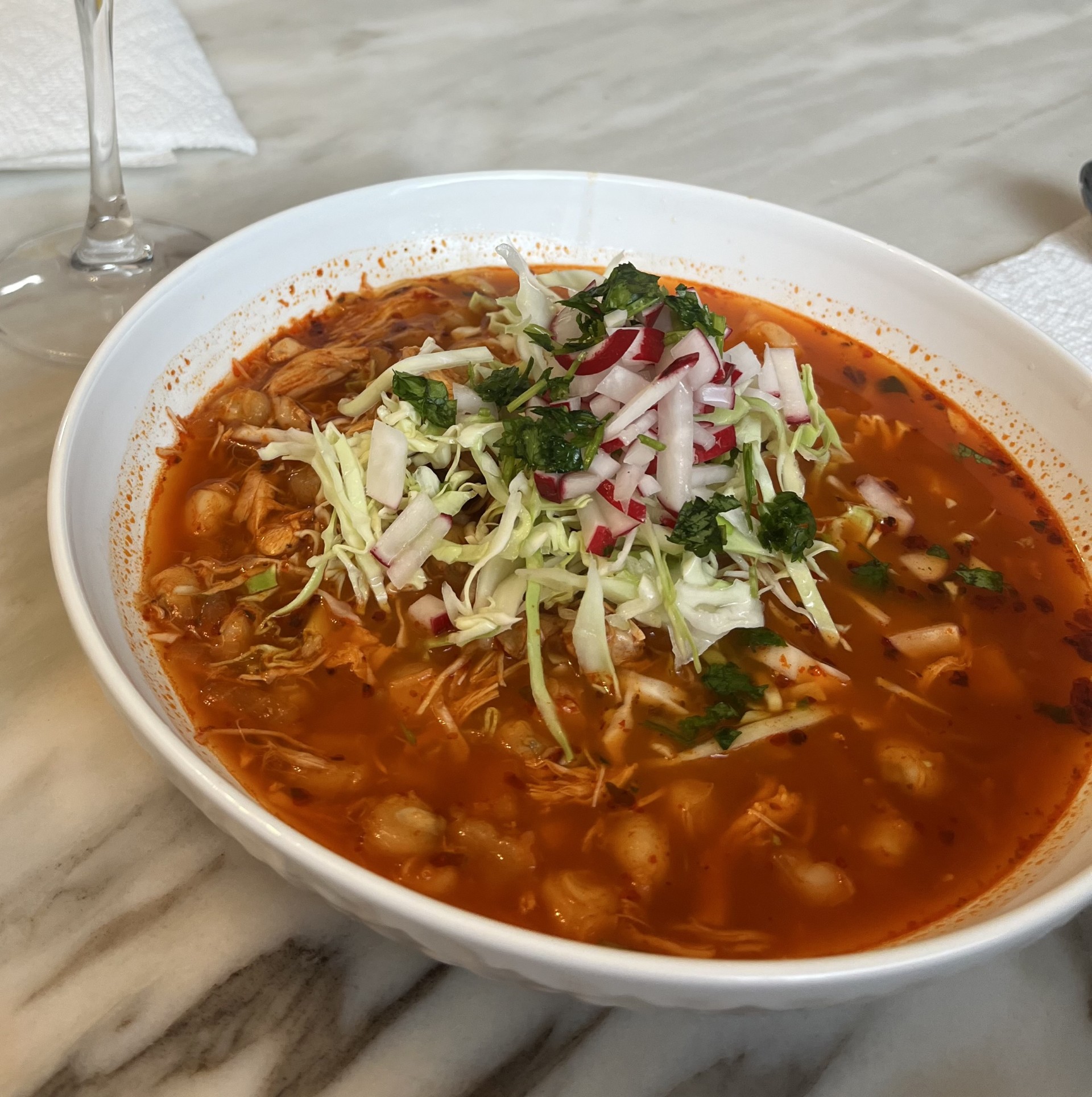
“Although not from the country I come from, pozole has become tradition in my family. It brings us together and reminds me of community and the richness of the Latino Diaspora. Growing up in Wisconsin as an Ecuadorian meant my mom was the bridge bringing flavors from our Amazonian rainforest to harsh midwestern winters. Outside of home, our strongest cultural lifeline was church. After Sunday service, church potlucks blended midwestern casseroles, Filipino noodles, and traditional Mexican dishes—especially pozole. My mom, who could taste anything once and replicate it to perfection, quickly made this tangy, spicy, and rich broth a household staple. It became my birthday request when coming home from college and our meal after my wedding elopement.”
4. Honduran Enchiladas
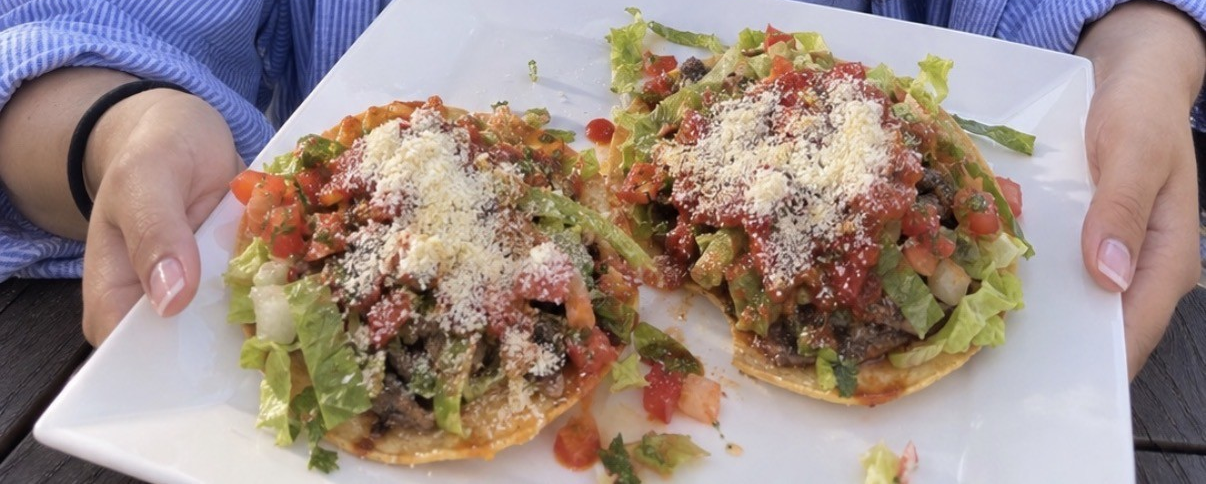
“My Honduran heritage means so much to me because it reminds me of my family, friends, home, and the traditions I grew up with. One of my favorite dishes is Honduran Enchiladas, a crispy fried corn tortilla topped with seasoned ground beef, cabbage or lettuce, chimol, tomato sauce, cheese, and slices of hard-boiled egg. Whenever I have them, they bring back memories of my grandmother making them when I was growing up. The combination of the crunchy tortilla, savory meat, and fresh toppings makes them a comforting and familiar dish. They are simple but extremely delicious!”
For the Meat:
- 1 pound ground beef, 85-90% lean
- 1 medium onion, diced
- 2 garlic cloves, minced
- ½ green pepper, diced
- 2 tomatoes, diced
- 3 tablespoon tomato paste
- 1 c beef stock
- 1 teaspoon salt
- ½ teaspoon black pepper
- ½ teaspoon ground cumin
Ingredients
For the Chimol:
- 1 small red onion, diced
- ½ green pepper, diced
- 1 medium tomato, diced
- ½ c fresh cilantro, chopped
- 2 tablespoons of Lime Juice
- ½ teaspoon salt
- ¼ teaspoon black pepper
- ¼ teaspoon cumin
For the Cabbage Salad:
- 1 c shredded cabbage
- 1 tablespoon vinegar
- ¼ teaspoon salt
For the Tomato Sauce:
- 3 tablespoons tomato paste
- ½ c water or beef stock
Other Toppings:
- 3 hard-boiled eggs sliced
- 1 c Cotija cheese
For the Fried Tortillas:
- ½ c olive oil, for frying
- Corn tortillas, homemade or store bought
Instructions
1. Cook the beef: Brown the ground beef and onion in a skillet over medium-high heat. Add garlic, bell pepper, and tomatoes; cook 3 minutes. Stir in the tomato paste, beef stock, salt, pepper, and cumin. Simmer 5 minutes until thick; set aside.
2. Prep cold toppings: In one bowl, toss all chimol ingredients together. In a second bowl, toss the cabbage with vinegar and salt.
3. Fry the tortillas: Heat the oil in a skillet over high heat. Fry each tortilla for 15–20 seconds per side until crisp and golden brown. Drain on paper towels.
4. Assemble: Lay a fried tortilla flat. Layer with warm seasoned beef, cabbage slaw, fresh chimol, hard-boiled egg slices, Cotija cheese, a spoonful of tomato sauce, and your favorite hot sauce.
5. Ayote en Miel (Spiced Candied Squash)
“This traditional dessert comes from Central America, especially the Jutiapa region of Guatemala where my great-grandfather lived. Back home, it was prepared during La Molienda — the sugar cane harvest festival where fresh cane juice was boiled down into thick molasses. It was a festival where neighbors from other haciendas would come to enjoy the food, drinks, and conservas. Conservas are the cooked fruits and vegetables, slow cooked in the sugarcane syrup and candied to a heavenly perfection!”
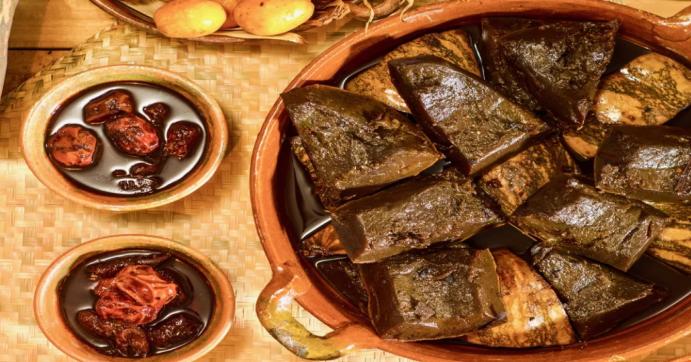
Ingredients
- 1 medium ayote (or acorn squash / kabocha), cut into 3-inch wedges with skin left on, seeds and strings scraped clean
- ½ lb panela (piloncillo) or unrefined dark cane sugar
- ½ cinnamon stick
- ½-inch piece fresh ginger root, lightly bruised
- 1 whole allspice berry
- Water
Instructions
1. Put all ingredients besides the cooking oil in a bowl and mash together with a fork.
2. Place the squash, panela, cinnamon, ginger, and allspice in a large pot. Add enough water to reach —but not cover— the squash, and bring to a boil.
3. Cook over medium heat until the squash is tender and has absorbed most of the syrup.
4. Serve the squash hot or cold in a deep bowl, drizzled with its sweet syrup.